Masai Mara: Africa's Greatest Wildlife Spectacle
The Masai Mara National Reserve is Kenya's most prestigious safari destination – and for good reason. This northern extension of the Serengeti ecosystem hosts the greatest concentration of wildlife on earth. From the iconic Great Migration (July–October) where over 1.5 million wildebeest and zebra thunder across the Mara River, to year‑round Big Five sightings, the Mara delivers an unforgettable safari experience.
The reserve's rolling savannah, acacia-dotted plains, and abundance of predators (including the highest lion density in Kenya) make it a photographer's paradise. Whether you're seeking a luxury tented camp, a hot air balloon at sunrise, or an authentic Maasai cultural visit, the Masai Mara is the crown jewel of Kenya safaris.
Our bespoke Masai Mara journeys typically range from €5,000 to €15,000 per guest depending on season, accommodation, private aviation requirements, and exclusivity. Park entry fees are USD 100–200 per adult per day.
🦁 Masai Mara at a Glance
- 📍 Location: Narok County, southwestern Kenya
- 🗺️ Size: 1,510 km² (Reserve) + private conservancies
- 🦁 Big Five: Lions, leopards, elephants, buffalo, rhino
- 🌅 Signature activity: Hot air balloon safari at sunrise (USD 450–550)
- 👥 Cultural immersion: Visit traditional Maasai villages
- 📅 Peak season: July–October (book 6–12 months ahead)
🐘 The Great Migration – Earth's Greatest Wildlife Spectacle
Every year, over 1.5 million wildebeest, 200,000 zebras, and 300,000 Thomson's gazelles make a 800‑kilometre circuit across the Serengeti‑Mara ecosystem. The climax of this journey is the crossing of the Mara River – a heart‑stopping gauntlet of crocodiles, rapids, and predators that has been called "the greatest wildlife show on earth."
Witnessing a river crossing is pure adrenaline. Herds gather on the banks, hesitating for hours, until one brave animal leaps – and then thousands follow in a thunderous cascade. The Masai Mara is the only place in Kenya where you can see this phenomenon, typically between July and October.
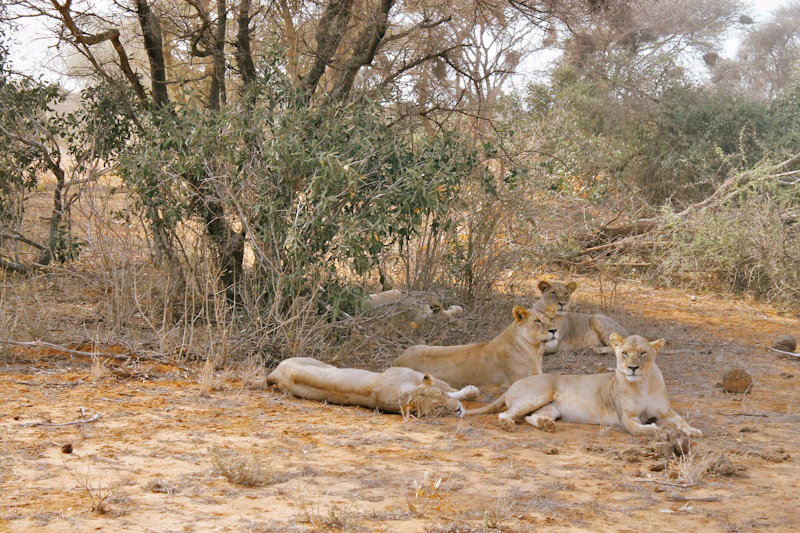
Signature Mara Experiences
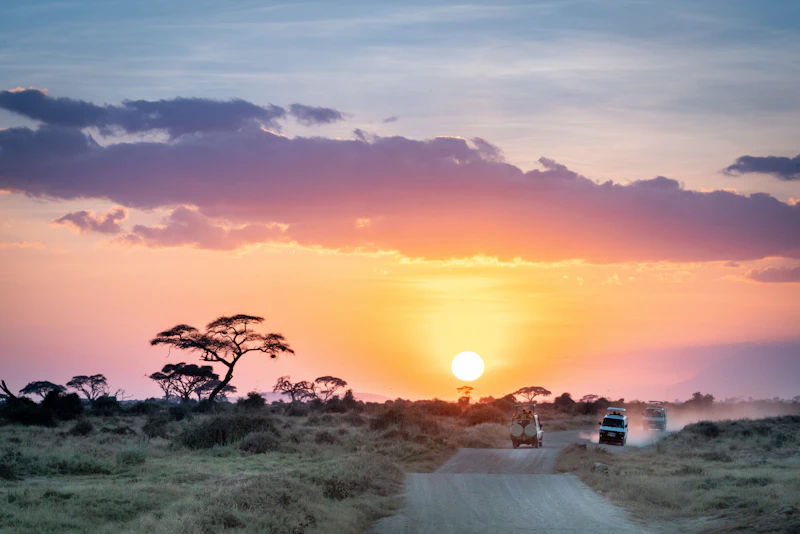
Private Game Drives
Exclusive morning and late‑afternoon game drives in a customised 4x4 Land Cruiser with your personal professional guide. Track the Big Five, witness predator behaviour, and enjoy sundowners as the sun sets over the savannah.
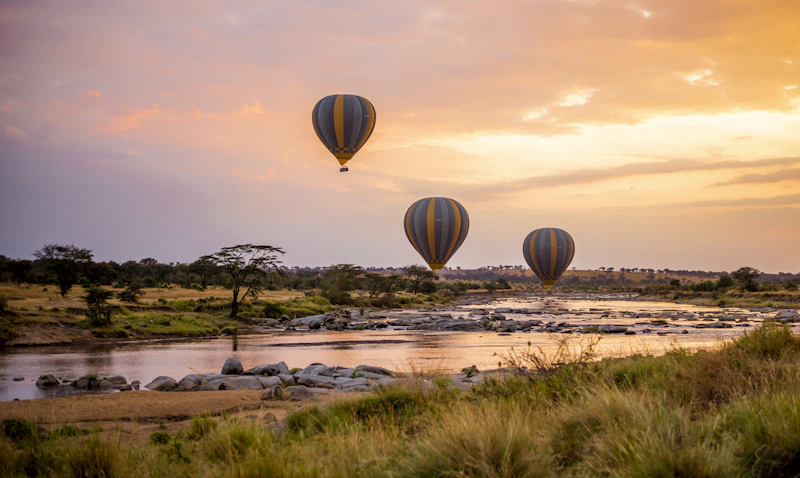
Hot Air Balloon Safari
Float silently above the savannah as the sun rises, watching elephants, giraffes, and zebras from a bird's-eye view. The hour-long flight ends with a champagne breakfast in the bush – an unforgettable bucket-list experience.
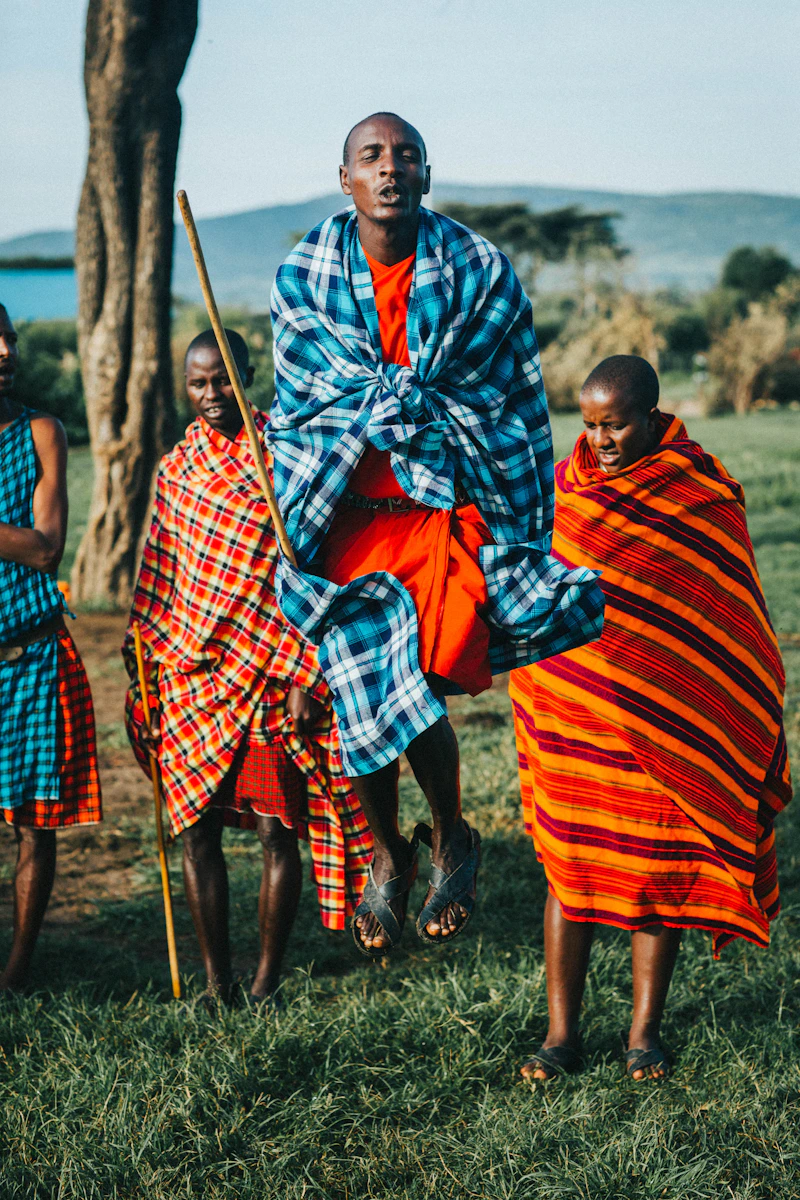
Maasai Cultural Visit
Visit a traditional Maasai manyatta to learn about one of Africa's most iconic cultures. Witness the adumu (jumping dance), learn how to start a fire with sticks, and hear stories of warrior life. A meaningful cultural exchange that also supports local communities.
Premium Masai Mara Safari Packages 2026
All packages include return flights from Nairobi (Wilson Airport), luxury accommodation, all meals, game drives, park fees, and private transfers.
| Safari Package | Duration | Price (per person sharing) | Inclusions & Highlights |
|---|---|---|---|
| Luxury Fly‑In Safari | 2 Nights | €2,500 – €4,000 | Return flights, luxury lodge, all meals, shared game drives, park fees |
| Premium Fly‑In Safari | 3 Nights | €3,500 – €6,000 | Return flights, premium tented camp, private 4x4 vehicle, gourmet dining, sundowners |
| Signature Mara Safari | 4 Nights | €5,000 – €8,000 | Return flights, top‑tier lodge, private guide, spa credit, bush dinners, conservancy fees |
| Ultimate Mara Experience | 4+ Nights | €8,000 – €15,000+ | Private charter flights, exclusive lodge buyout, bespoke itinerary, all‑inclusive luxury |
Masai Mara Park Entry Fees (2026)
| Period | Non‑Resident Adult (per 24h) | Non‑Resident Child |
|---|---|---|
| Peak Season (July – December) | USD 200 | USD 50 |
| Low Season (January – June) | USD 100 | USD 25 |
✈️ Fly‑In Safari from Nairobi
- ✓ Flight time: 45–60 minutes from Wilson Airport (Nairobi)
- ✓ Airlines: Air Kenya, Safarilink, Mombasa Air Safari
- ✓ Return flight cost: USD 350–500 per person (included in our packages)
- ✓ Best for: Short safaris (2–3 nights), luxury travellers
- ✓ Luggage limit: 15kg soft-sided bag per person
🚙 Drive‑In Safari from Nairobi
- ✓ Driving time: 5–6 hours (approximately 260 km)
- ✓ Road conditions: Paved to Sekenani Gate, then gravel inside
- ✓ Cost: Included in most safari packages
- ✓ Best for: Scenic drive through Great Rift Valley
- ✓ Tip: Request a private 4x4 vehicle for comfort
Sample 4‑Day Premium Masai Mara Itinerary
Nairobi → Masai Mara
Morning flight from Wilson Airport (45 min). Arrive at your luxury lodge or camp in time for lunch. Afternoon private game drive – spot lions, elephants, giraffes. Sunset return to camp. Dinner and overnight.
Full Day in the Mara
Optional hot air balloon safari at dawn (USD 450–550). Then a full day of private game drives with a gourmet picnic lunch in the bush. Search for the Big Five and, during migration season, witness river crossings. Sundowner drinks before returning to camp.
Mara River & Migration
Morning game drive focusing on the Mara River area – the crossing point for the Great Migration. Afternoon visit to a Maasai village for a cultural experience. Return to camp for a bush dinner under the stars.
Final Game Drive → Nairobi
Early morning game drive (best for predators). Return to camp for breakfast. Transfer to the airstrip. Flight departs mid-morning, arriving Nairobi by early afternoon.
Best Time to Visit Masai Mara
| Period | Wildlife Highlights | Pros & Cons |
|---|---|---|
| July – October (Peak Season) | Great Migration, river crossings, highest predator activity | Best wildlife viewing but highest prices, crowded, book months ahead |
| January – February (High Season) | Excellent Big Five viewing, calving season for wildebeest | Dry weather, fewer crowds than July–Oct, good prices |
| March – May (Green Season) | Lush landscapes, migratory birds, newborn animals | Lower prices (30‑40% less), some camps close, rains possible |
| November – December (Shoulder Season) | Green season begins, bird watching excellent | Good value, lower crowds, short rains (afternoon showers) |
🧳 What to Pack for a Luxury Mara Safari
- Neutral‑coloured clothing (khaki, olive, beige) – avoid bright colours and dark blue (attracts tsetse flies)
- Layers – mornings are cold (fleece/light jacket), afternoons hot
- Closed‑toe shoes, wide‑brimmed hat, sunglasses
- High‑SPF sunscreen, DEET repellent, camera with zoom lens (300mm+)
- Soft‑sided duffel bag (light aircraft luggage limit: 15kg for fly-in safaris)
- Stay quiet and seated during game drives – animals are easily startled
- Never feed or approach wildlife – give them right of way
- Greet drivers, guides, and lodge staff warmly – Kenyans value friendly greetings
- Tipping: driver/guide $20–30 per person/day, porters $2–3 per bag
- Respect the 24‑hour park fee rule – Mara tickets expire exactly 24 hours after purchase
Frequently Asked Questions — Masai Mara Safari
⭐ What Our Guests Say
Real reviews from travellers who booked with us
"Best touring company! Very helpful and friendly staff who were able to answer any questions I had! We're able to accommodate me and my family. Highly recommend and will definitely be using there services again!"
👨👩👧👦 Coming with your family to Kenya?
Discover our expert guide to the most kid‑friendly destinations, family resorts, and child‑safe activities across Kenya – from safari adventures to beach getaways.
View Full Family Guide →Ready to Experience the Masai Mara?
Whether you want to witness the Great Migration or track the Big Five, we'll craft the perfect luxury safari itinerary for you.
🦁 Explore Kenya's Other Great Safari Destinations
Book Your Bespoke Safari Trip – We'll Respond Within 2 Hours
Tell us your group size, and we'll craft a personalised Masai Mara experience just for you – from private fly‑in luxury packages to exclusive conservancy stays.